Exploring the cultural significance of casinos in modern society
The Historical Context of Casinos
Casinos have a long and storied history that stretches back centuries, evolving from ancient gambling houses to sophisticated entertainment hubs. Initially, games of chance were often found in informal settings where local communities gathered to engage in competition. The cultural significance of these venues was rooted in their ability to foster social interaction, creating bonds among participants. In recent years, many people have turned to payid casinos for a seamless gaming experience, highlighting the modern shift in gambling preferences. Over time, this evolved into the more organized establishments we know today, reflecting changing societal values and attitudes towards gambling.
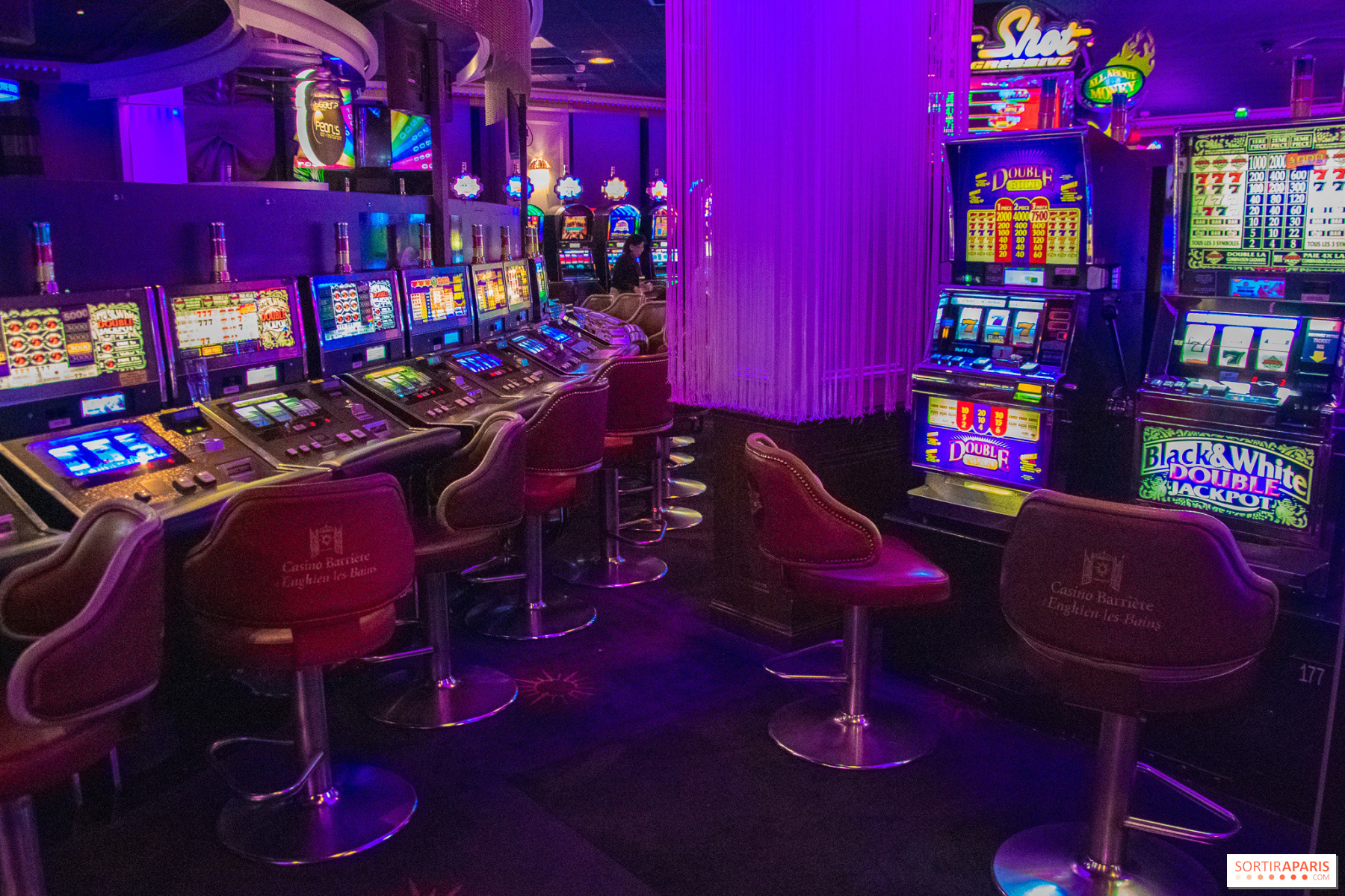
During the 19th and 20th centuries, the rise of casinos in locations such as Monte Carlo and Las Vegas symbolized luxury, wealth, and hedonism. These venues offered not just gambling but an entire lifestyle, replete with dining, entertainment, and lavish accommodations. This transformation reflected broader cultural changes as leisure became an integral part of modern life, allowing people to escape their daily routines and indulge in the thrill of chance. The allure of casinos, filled with bright lights and excitement, has made them central to the cultural landscape.
Today, casinos serve a dual purpose: they are not only places of gambling but also significant cultural institutions. They host events, concerts, and art exhibitions, contributing to the local economy and culture. This blending of entertainment options showcases how casinos have transitioned from being purely gambling establishments to becoming multifaceted centers of social and cultural engagement, reflecting the changing attitudes towards leisure and entertainment in modern society.
Social Dynamics and Community Impact
The social dynamics surrounding casinos are intricate and deeply woven into the fabric of modern life. These establishments often serve as gathering spots for communities, creating spaces for socialization and interaction. People visit casinos not only for the gaming experience but also for the atmosphere that encourages camaraderie and a sense of belonging. This communal aspect is especially pronounced in areas where casinos contribute significantly to local cultures, such as in Las Vegas, where the city itself has been shaped by the gaming industry.
Moreover, casinos can have a substantial economic impact on their communities. They create jobs, stimulate local businesses, and generate tax revenue that can be reinvested into public services. This economic benefit can foster a sense of pride within the community as they witness growth and opportunity directly linked to the presence of these establishments. However, this impact is not without its controversies, as the rise of casinos can also lead to concerns about gambling addiction and its effects on families and social structures.
As society grapples with these issues, many casinos have begun to implement responsible gambling programs, aiming to educate patrons about the risks of gambling and promote healthier gaming habits. This proactive approach reflects a growing awareness of the social responsibilities that come with operating such establishments. Ultimately, the interaction between casinos and communities reveals a complex relationship, highlighting both the potential benefits and challenges posed by the presence of gambling venues in modern society.
Cultural Representations of Gambling
Gambling and casinos have long been a source of fascination in popular culture, serving as compelling backdrops in films, literature, and music. From classic movies like « Casino Royale » to modern television series like « Breaking Bad, » the allure of the casino often symbolizes risk, adventure, and moral ambiguity. These portrayals shape public perceptions of gambling, emphasizing both its thrilling aspects and the darker consequences that can arise from addiction and loss.
In literature, gambling has been depicted as a metaphor for life’s uncertainties, highlighting themes of chance, fate, and human nature. Authors have used casino settings to explore complex characters and their motivations, providing insights into society’s views on risk and reward. The cultural representation of gambling thus serves not only as entertainment but also as a reflection of deeper societal issues, encapsulating the highs and lows associated with the pursuit of fortune.
Furthermore, the media plays a significant role in influencing cultural attitudes towards casinos. Positive portrayals can promote tourism and normalize gambling, while negative depictions may lead to stigma and fear. As attitudes towards gambling evolve, the narratives constructed around casinos will likely continue to adapt, mirroring changing societal values and concerns. This interplay between culture and gambling underscores the multifaceted significance of casinos in modern life.
The Future of Casinos in a Digital Age
The advent of technology has transformed many aspects of our lives, and the casino industry is no exception. Online casinos have emerged as a significant player in the gambling landscape, providing convenience and accessibility that traditional brick-and-mortar establishments cannot match. This shift towards digital platforms reflects broader societal trends towards online engagement and offers a new way for individuals to participate in gambling. However, it also raises questions about the future of physical casinos and their role in modern society.
As online gambling continues to grow in popularity, casinos are increasingly adapting to this digital age by enhancing their offerings with technological advancements. Many physical casinos are incorporating innovative features such as augmented reality and virtual reality gaming experiences to attract a tech-savvy clientele. This blend of traditional gambling with modern technology highlights the resilience of the industry and its ability to evolve alongside societal changes.
Moreover, the integration of technology into gambling has also emphasized the importance of responsible gaming practices. With the rise of online platforms comes the responsibility to ensure safe and fair gaming environments, prompting operators to develop comprehensive policies to protect players. The future of casinos, both online and offline, will likely hinge on their ability to navigate these challenges while maintaining cultural significance and community engagement in an increasingly digital world.

Exploring Online Resources for Casino Insights
As the cultural significance of casinos continues to evolve, so too does the way we explore and engage with them. Websites dedicated to providing insights into the casino industry have become invaluable resources for both seasoned players and newcomers alike. These platforms offer extensive information on various aspects of gambling, including reviews of casinos, the latest trends, and educational resources on responsible gaming practices.
These websites play a critical role in bridging the gap between players and the casino experience, offering detailed comparisons of gaming options, payout speeds, and user satisfaction. By providing comprehensive guides and expert analyses, they empower individuals to make informed choices about where and how to gamble. In an industry that can often seem overwhelming, these resources help demystify the world of casinos, enhancing the overall gaming experience.
As online gambling continues to flourish, the importance of these informational platforms will likely grow. They serve not only as guides but also as advocates for responsible gambling, contributing to a more informed public discourse about the cultural significance of casinos in modern society. Through this lens, we can appreciate the multifaceted role casinos play as both entertainment venues and cultural institutions in today’s world.